ICPF DKI Jakarta
Cyber Crime Prevention Division – ICPF DKI Jakarta
Cyber Crime Prevention Division
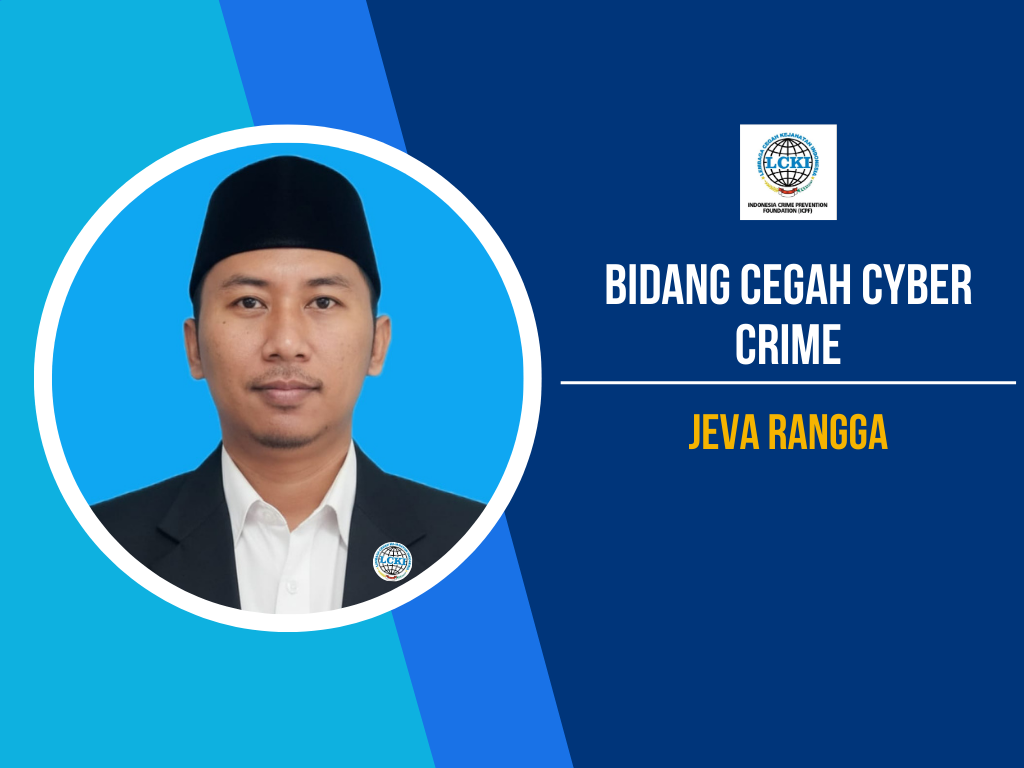
Name : Jeva Rangga
ID No. : LCKI-JK-20251112-0014
ID No. : LCKI-JK-20251112-0014
This Standard Operating Procedure (SOP) for the Cyber Crime Prevention Division of the Indonesian Crime Prevention Institute (LCKI) defines its crucial role in protecting society from digital crime threats through education, monitoring, and strategic collaboration.
🎯 I. PURPOSE
To prevent and minimize cybercrime through educational, technical, and collaborative approaches involving communities, government institutions, and digital partners.
💼 II. MAIN DUTIES
- Provide public education on cybercrime threats and prevention.
- Draft and disseminate digital security guidelines.
- Monitor cybercrime trends within the operational area.
- Establish cooperation with relevant institutions (Kominfo, Police, CSIRT, etc.).
- Prepare reports and policy recommendations on cybercrime prevention.
- Organize digital security training for communities and volunteers.
📋 III. WORK PROCEDURES
- Education and Outreach
- Prepare educational materials on phishing, malware, social engineering, and online fraud.
- Organize seminars, webinars, and digital campaigns.
- Disseminate educational content via LCKI’s social media and website.
- Security Guidelines Development
- Draft guidelines for safe use of digital devices.
- Provide recommendations on the use of licensed software and data encryption.
- Encourage security practices such as regular password changes and data backups.
- Monitoring and Analysis
- Identify emerging cybercrime patterns (scams, ransomware, identity theft).
- Analyze trends based on community reports and public data.
- Prepare monthly reports on potential digital threats in the operational area.
- Strategic Partnerships
- Coordinate with government and private institutions in handling cyber incidents.
- Draft MoUs with CSIRT, ISPs, and digital security communities.
- Act as a liaison between communities and law enforcement in reporting incidents.
📌 IV. RESPONSIBILITIES
- Ensure accuracy and relevance of information delivered to the public.
- Safeguard confidentiality of data from reporters and victims of cybercrime.
- Submit activity reports to the Chairman and Secretary General.
- Represent LCKI in national digital security forums.
📎 V. SUPPORTING DOCUMENTS
- LCKI digital security guidelines.
- Cyber incident report templates.
- Educational and presentation materials.
- Cybercrime reporting forms.
- Archives of cooperation agreements and activity documentation.